
When a furnace starts making a new noise, heating rooms unevenly or needing another repair, the hardest question is often not “Can it be fixed?” It is “Does another repair still make sense?”
There is no responsible answer based on age alone. A repair may be the practical choice for a well-maintained system with a straightforward problem. Replacement may deserve a closer look when breakdowns are becoming frequent, comfort has declined or a major repair would put substantial money into equipment that already has other concerns.
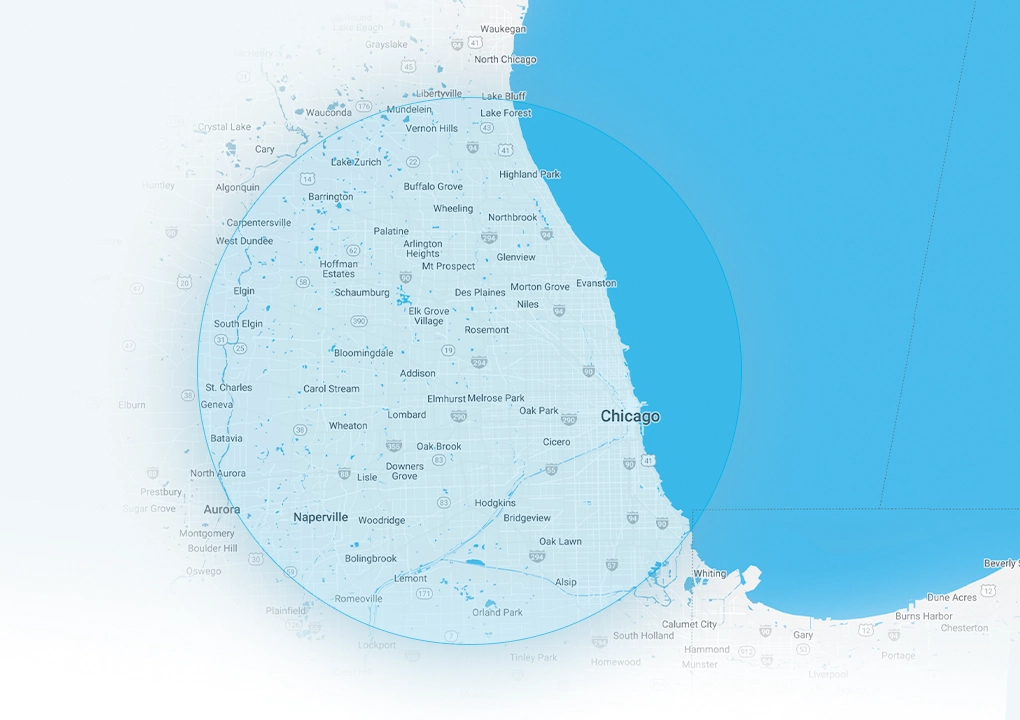
For homeowners in Park Ridge and across NextGen Mechanical’s verified Chicagoland service area, the best decision comes from comparing the whole system—not reacting to one symptom or one number.
Quick answer: When should you repair or replace a furnace?
Consider repair when the furnace has been dependable, the problem is isolated, appropriate parts are available and a technician finds no broader safety or performance concerns. Consider replacement when repairs are recurring, important components are failing, the system no longer heats the home consistently, or a qualified evaluation shows that a new system would better fit the home and its ductwork.
Age belongs in that discussion, but it is a prompt to evaluate—not an automatic replacement deadline. ENERGY STAR suggests considering replacement when a furnace or boiler is more than 15 years old, especially when repairs are frequent or energy bills are rising. A technician still needs to assess the specific equipment and home.
Start with a diagnosis, not a sales assumption
The same symptom can have very different causes. Weak airflow may point to a dirty filter, blower issue, duct restriction or system-sizing problem. Short cycling could involve a thermostat, control, airflow or equipment issue. A furnace that will not start might need a repair rather than replacement.
Ask the technician to identify:
- What failed and why
- Whether the issue is isolated or connected to other wear
- Whether the furnace can be operated safely
- Which repair options are available and what each would address
- Whether the current system is appropriate for the home
If there is a suspected gas, combustion or carbon-monoxide concern, treat that as a safety issue rather than a repair-versus-replace calculation. Leave the home if a carbon-monoxide alarm sounds and call emergency services. The U.S. Consumer Product Safety Commission recommends a yearly professional inspection of fuel-burning heating systems, including furnaces, boilers, flues and vents.
Five factors that make the decision clearer
1. Repair history
One repair does not establish a pattern. Several service calls over a short period are different, especially when they involve unrelated components. Gather recent invoices if you have them. They help a technician see what has already been replaced, which symptoms are recurring and how much has been invested.
2. The scope of the current repair
Compare the proposed repair with the furnace’s overall condition—not simply with the price of new equipment. Ask what the repair includes, whether any other components show significant wear and what warranty applies to the part and labor. Avoid rules of thumb that claim one percentage or one multiplication formula decides every case.
3. Comfort and operation
A furnace can run and still be a poor fit. Note rooms that stay cold, long run times, frequent starts and stops, unusual noise or airflow that changed over time. Some problems may be corrected through repair or ductwork improvements. Others may show why the home needs a more complete system evaluation.
ENERGY STAR advises homeowners to expect a contractor to inspect the current system and home, account for insulation and windows, and examine ductwork and airflow. Bigger equipment is not automatically better.
4. Equipment age and parts availability
Older equipment is not automatically unsafe or unusable. However, age becomes more relevant when it coincides with repeated repairs, declining comfort, discontinued parts or an expensive component failure. Ask whether the needed part is readily available and whether the repair restores dependable operation or only addresses one issue in a system with several concerns.
5. Your plans for the home
Your priorities matter. A homeowner planning to stay may value quieter operation, more consistent temperatures and a system selected for long-term comfort. Someone preparing to move may weigh the decision differently. Either way, ask for options that fit the home and budget rather than assuming the highest-efficiency model is always the right answer.
What should a replacement recommendation include?
A replacement recommendation should connect the proposed equipment to the home. That means considering the size and layout, insulation and windows, visible ductwork, existing cooling equipment, comfort concerns and installation conditions.
Ask for the proposed model numbers, efficiency rating, operating stages or blower features, installation scope, warranty information and anticipated schedule in writing. ENERGY STAR recommends written, itemized estimates and a written proposal that identifies project costs, model numbers, schedule and warranty information.
Our furnace replacement and installation page explains furnace options, sizing factors and what can affect the project scope, and our furnace replacement estimate checklist provides a useful framework for comparing proposals.
Questions to ask before deciding
- What is the confirmed cause of the current problem?
- Is the furnace safe to operate now?
- What does the repair solve, and what does it not solve?
- Are parts available, and what warranty applies?
- Is the equipment properly sized for the home?
- Does the ductwork support the proposed replacement?
- Will any venting, gas, electrical or thermostat work be needed?
- What testing and homeowner walkthrough are included after installation?
Get the information you need before cold weather adds urgency
If your furnace is struggling, you do not have to choose between repair and replacement before you understand the problem. NextGen Mechanical can evaluate the system, explain the findings and help you compare the appropriate next steps for your Park Ridge or Chicagoland home.
Schedule a heating evaluation or call 224-539-6895. If replacement is the practical path, request a free furnace replacement estimate.
Frequently asked questions
Is a 15-year-old furnace automatically due for replacement?
No. ENERGY STAR identifies more than 15 years as a reason to consider replacement, not a universal expiration date. Condition, repair history, comfort, safety, parts availability and the home’s needs all matter.
Should I replace my furnace after one expensive repair?
Not automatically. Ask for a diagnosis, the scope and warranty of the repair, and an assessment of the rest of the system. A major repair carries more weight when it accompanies repeated breakdowns or other significant concerns.
Can uneven rooms mean the furnace needs replacement?
Sometimes, but uneven temperatures can also come from duct leakage, restricted airflow, insulation or system controls. A home and system evaluation should come before an equipment recommendation.
Can I replace the furnace without replacing the air conditioner?
Often, yes. Because the systems share indoor components, compatibility and the age and condition of both systems should be reviewed. NextGen can explain whether coordinated replacement makes sense after inspecting the equipment.
Technician review requested before publication: Confirm preferred language for repair prognosis and safety shutdowns; add a real, permission-cleared example only if NextGen can document diagnosis, options presented and outcome. Do not invent a project, savings result or failure rate.