
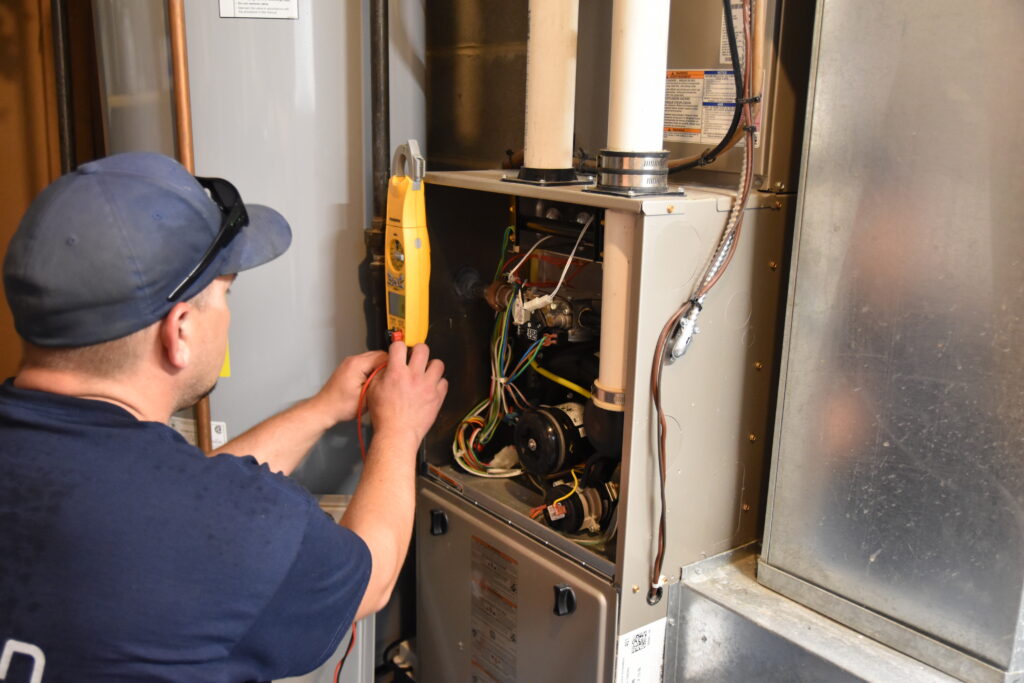
Fall HVAC Replacement Planning: A Practical Guide for Chicagoland Property Managers
September is a useful checkpoint for a property manager’s heating plan. Before colder weather changes the urgency of decisions, review which systems need attention, which replacement proposals deserve approval, and which information is still missing.
The goal is not to replace every older unit. It is to create a documented plan that connects equipment condition, tenant needs, available budget, and a realistic project schedule.
Whether you oversee one building or several Chicagoland properties, the following process can help turn scattered service records into clearer decisions.
Build a usable equipment inventory
Start with a shared spreadsheet. Give each system a unique identifier that your staff and HVAC contractor can use consistently. A street address alone may be insufficient when a property has several units.
Include the building address, equipment location, spaces served, manufacturer, model, serial number, approximate installation date if known, and the most recent service visit. Add links to photos, invoices, and warranty documents where available.
Use “unknown” when information is missing. That is more useful than guessing. Keep a separate list of items to confirm during the next visit, and assign someone to update the record afterward.
Review the history, not just the equipment age
Look for repeated issues associated with the same system or space. Record what was reported, what the technician diagnosed, what work was completed, and whether the complaint returned.
Avoid treating every comfort complaint as evidence that equipment needs replacement. Ask the contractor to identify the cause before recommending a project. If the proposed solution is replacement, request an explanation of how it addresses the documented issue.
For each system being considered, ask: “What do we know, what remains uncertain, and what information would change the recommendation?” This creates a more useful owner discussion than a list sorted only by installation year.
Assign a decision category
After professional assessment, organize systems into three planning categories:
- Address promptly: A documented issue needs a timely decision or corrective action.
- Evaluate replacement this budget cycle: Obtain a written scope and compare options.
- Maintain and monitor: Continue appropriate service and keep records current.
These are administrative categories, not technical diagnoses. Let the assessing professional explain any operating restrictions or urgent concerns. Add an owner, next step, and due date to every open item so the review leads to action.
Prepare an approval-ready proposal
Ask for enough detail that an owner or board member can understand what is being approved without reconstructing a conversation.
A useful approval package identifies the system, the reason for the recommendation, the proposed equipment, included installation work, exclusions, total project price, and expected schedule. Request clarification about applicable permits, inspections, access requirements, electrical or controls work, equipment removal, and startup testing.
Ask which assumptions could change the price or schedule. If several options are offered, have the contractor explain their practical differences. Avoid presenting a potential rebate, future savings estimate, or tentative installation date as guaranteed.
Separate capital decisions from service decisions
A recurring service expense and a replacement project may need different approval paths. Confirm who can authorize each type of work before an urgent decision arises.
For a proposed replacement, summarize the current diagnosis, repair option if one is appropriate, replacement scope, and known limitations. Include the owner’s intended holding period and any upcoming renovation plans as discussion points.
This does not require a complicated financial model. A clear record of the available choices and the reasons for the decision is a good starting point.
Plan around building access and occupants
Before accepting a date, confirm keys, mechanical-room access, parking, loading arrangements, and any building-specific restrictions. Ask whether other trades or inspections must be coordinated.
Prepare a tenant communication plan based on the contractor’s confirmed scope. Identify the affected spaces, anticipated work window, contact person, and how changes will be communicated. Follow applicable notice requirements and property procedures.
Keep estimated downtime distinct from a firm commitment. If heating availability may be affected, discuss the contingency plan with the contractor and property leadership before work starts.
Close the project with complete records
Once work is finished, update the inventory with the installed equipment and completion date. Retain the final invoice, applicable inspection records, warranty information, operating instructions, and service contact details.
Ask for the documented startup or commissioning information appropriate to the system. Confirm who will register equipment where required and who will arrange ongoing maintenance.
Set a follow-up check with the building contact to capture unresolved questions. A completed installation should also leave the next property manager with a usable record.
Frequently asked questions
Should every older HVAC system be replaced before winter?
No. Use a professional assessment, documented condition, service history, and property needs to inform each decision. An inventory helps identify what requires closer evaluation.
Can replacement projects be phased across properties?
Ask your contractor to propose priorities and scheduling options. Any phased plan should account for documented urgency, equipment availability, occupancy, and approvals.
What is the most useful first step this September?
Collect equipment records and identify unresolved heating issues. Then schedule a review of the systems that need a decision so proposals can be evaluated with sufficient information.
Start your fall heating plan
NextGen Mechanical provides HVAC services for property managers, including maintenance and equipment replacement in Chicagoland. [2] Contact the team to discuss your buildings, upcoming projects, and heating priorities before the season gets further underway.